Archives
- 2026-09
- 2026-08
- 2026-07
- 2026-06
- 2026-05
- 2026-04
- 2026-03
- 2026-02
- 2026-01
- 2025-12
- 2025-11
- 2025-10
- 2025-03
- 2025-02
- 2025-01
- 2024-12
- 2024-11
- 2024-10
- 2024-09
- 2024-08
- 2024-07
- 2024-06
- 2024-05
- 2024-04
- 2024-03
- 2024-02
- 2024-01
- 2023-12
- 2023-11
- 2023-10
- 2023-09
- 2023-08
- 2023-07
- 2023-06
- 2023-05
- 2023-04
- 2023-03
- 2023-02
- 2023-01
- 2022-12
- 2022-11
- 2022-10
- 2022-09
- 2022-08
- 2022-07
- 2022-06
- 2022-05
- 2022-04
- 2022-03
- 2022-02
- 2022-01
-
Imeglimin hydrochloride AMPK is a serine threonine protein k
2023-04-12
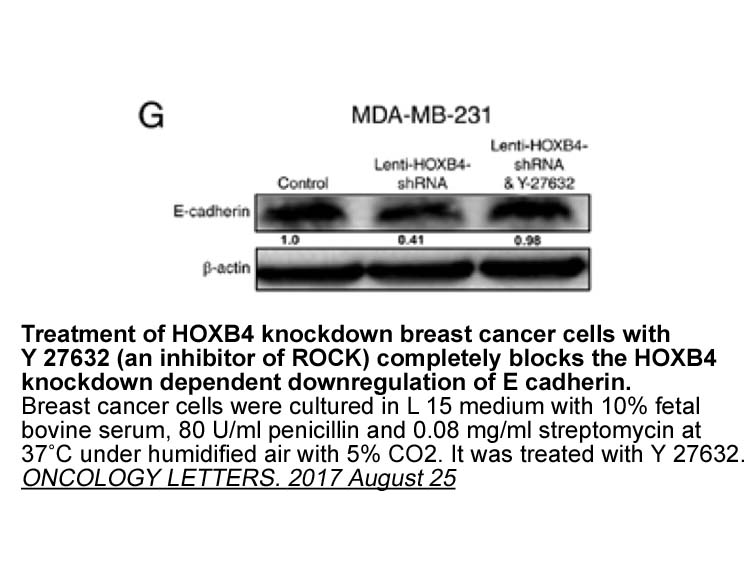
AMPK is a serine/threonine protein kinase composed of a catalytic α subunit with the activating phosphorylation site (Thr172) and two regulatory subunits, β and γ. The two AMPK variants, α1 and α2, show different cellular localization in mammalian cells. AMPKα2 is detected in nuclear and non-nuclear
-
It is worth mentioning that cordycepin
2023-04-12
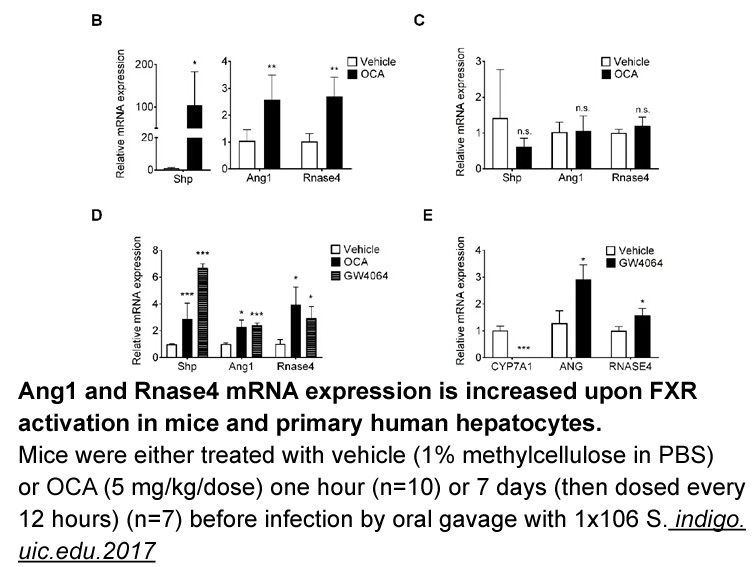
It is worth mentioning that cordycepin, as an adenosine analogue, is structurally similar to adenosine. A previous study has shown that the anti-apoptotic effects of cordycepin are partially dependent on the activation of A1R [16], and cordycepin increases theta waves power density via nonspecific a
-
We investigated the role of ABT treatment
2023-04-12
We investigated the role of ABT 702 treatment in MAPKinase activation in mouse microglia in vitro. In Fig. 7D immunocytochemistry results revealed that Iba1 and p-ERK1/2 co-localized in LPS induced mouse microglia. In our previous study we have reported that LPS activates ERK1/2 phosphorylation (Ahm
-
br Conclusions The following are the supplementary data
2023-04-12
Conclusions The following are the supplementary data related to this article. Author contributions Conflict of interest Funding sources This work was supported by the Canadian Institutes of Health Research [grant: MOP-79470]. Introduction Sperm cells undergo a number of physical and
-
The reductase activity in patients with OHD as assessed
2023-04-12
The 5α-reductase activity in patients with 21-OHD, as assessed by the 5α-THF to 5β-THF (ratio 3) and by the 5α-17HP to 17HP (ratio 4) ratios, showed a similar pattern of activities (Fig. 2A–C) and significant correlations (ratio 1 vs. ratio 3; rs=0.67; pIn irak1 to the 5α-reducase activity, the act
-
br Acknowledgement This work was funded
2023-04-12
Acknowledgement This work was funded by NIH/NINDS grant number NS080967 to C. Waites. Introduction Macro-autophagy also called autophagy is a conserved pathway for the lysosomal degradation and recycling of intracellular materials. It is instrumental for the homeostasis of cells and tissues a
-
br Mechanisms of homeostasis At face value
2023-04-12
Mechanisms of homeostasis At face value, homeostatic mechanisms may seem like nothing more than a simple balance between opposing forces; however, the ability of Mec1/Tel1 to each orchestrate both negative and positive regulation greatly complicates the system under consideration and argues again
-
Chromatin proteins play important roles in gene expression
2023-04-12
Chromatin proteins play important roles in gene expression and DNA repair. The importance of chromatin composition on gene expression is exemplified by X-inactivation, where one of the two X chromosomes in female mammalian mek inhibitor is transcriptionally silenced by heterochromatin , , , . In th
-
Activated MAP kinases transform the stimulus into the pathop
2023-04-12
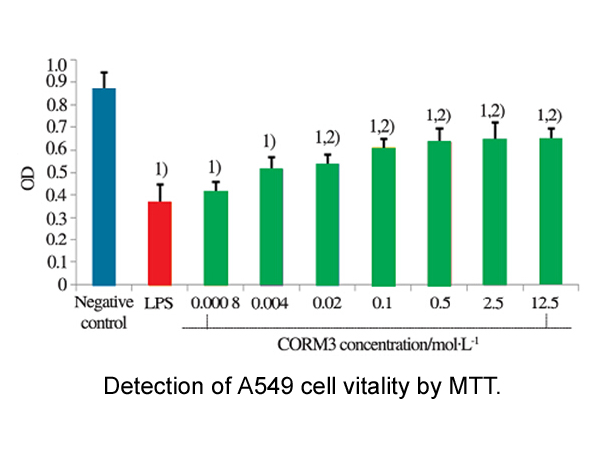
Activated MAP kinases transform the stimulus into the pathophysiological responses by phosphorylating downstream substrates, including transcription factors, cytoskeletal proteins involved in mRNA translation (Li et al., 2015). Among the numerous effectors that intervene in the TNF-α action is an ac
-
br Material and methods br Results br Discussion T
2023-04-12
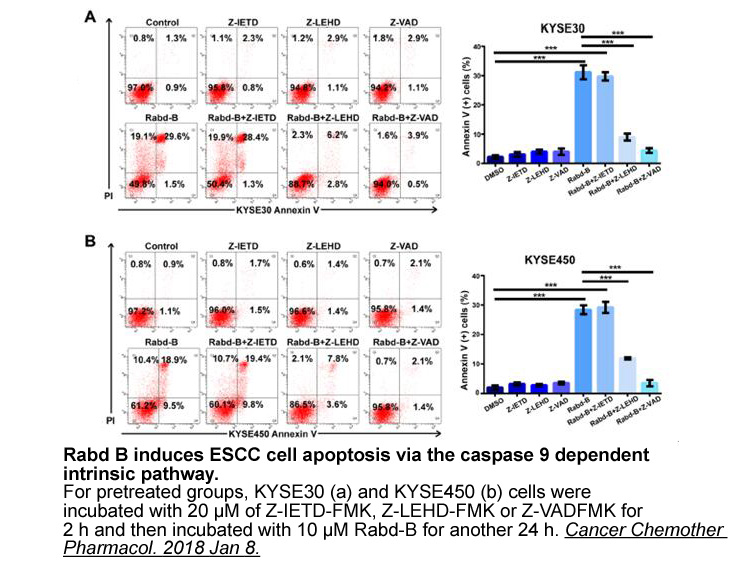
Material and methods Results Discussion T2D is a substantial threat to global human health [31]. Obesity-associated chronic low-grade inflammation promotes insulin resistance and T2D [32]. In obese individuals, the production of numerous inflammatory molecules including IL-6 and TNF-a is up
-
br The role of apelin in hepatic diseases
2023-04-12
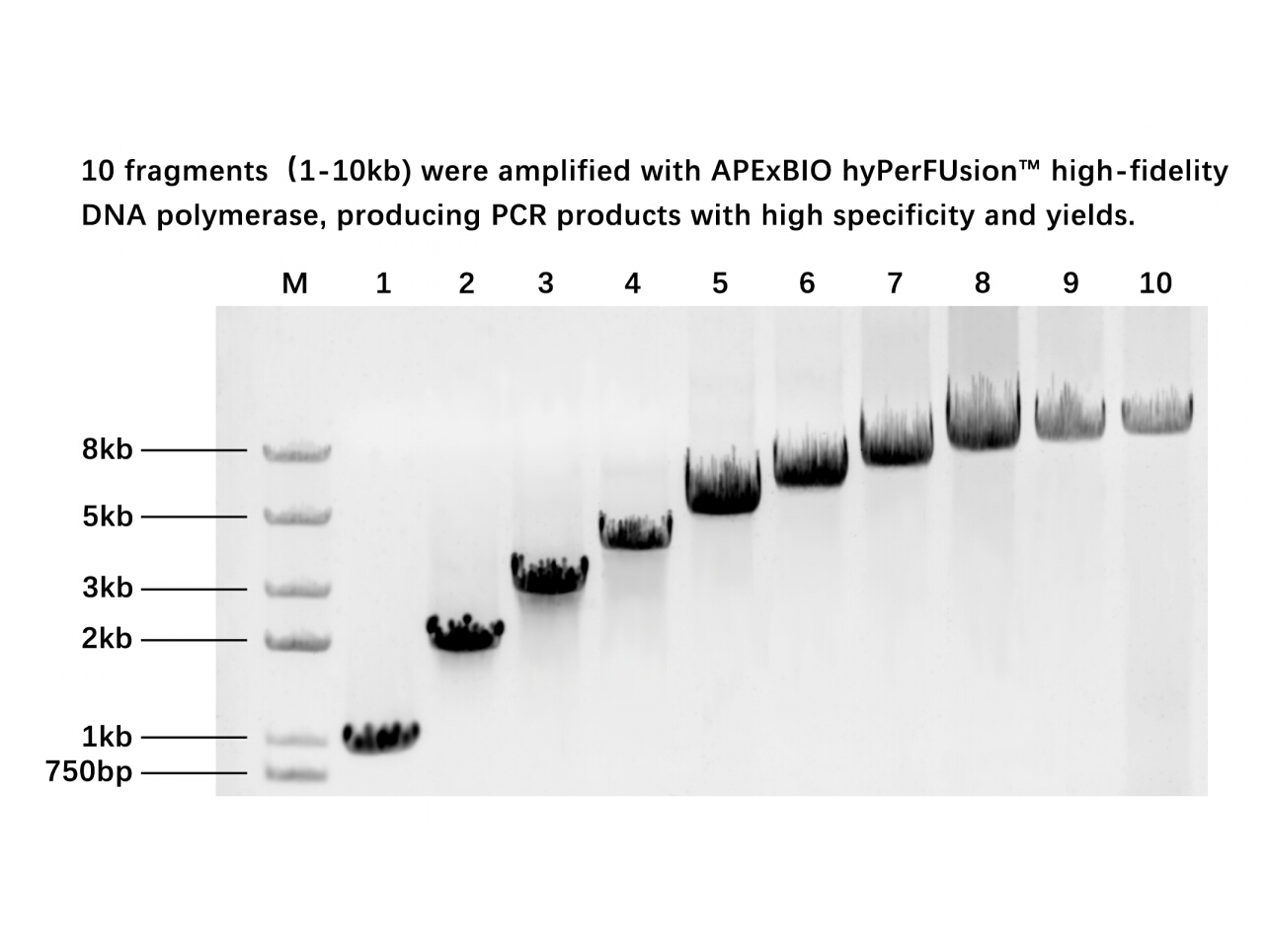
The role of apelin in hepatic diseases The involvement of the apelin/APJ system in liver physiology and pathology has been proven in numerous studies (Table 6). For instance, in the experiment of Emam et al. [63] on rats suffering from hepatic injury, apelin decreased the levels of ALT, AST and L
-
To further address the mechanism of Didox
2023-04-12
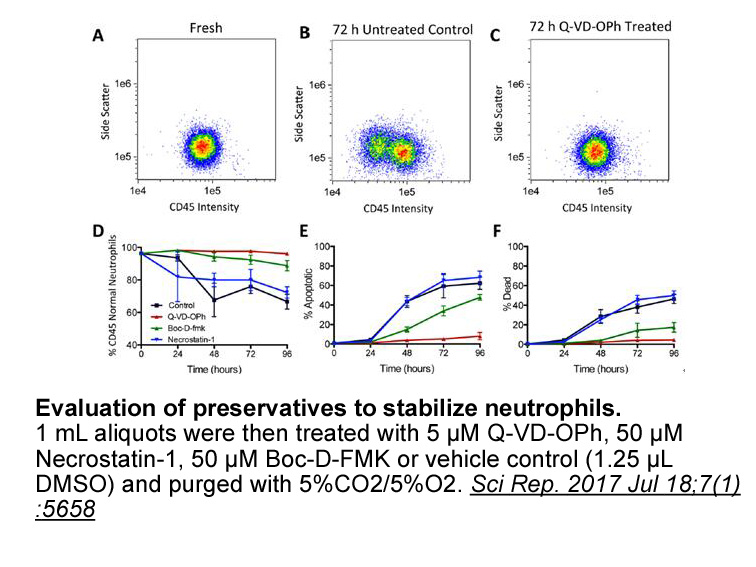
To further address the mechanism of Didox’s suppressive effects on mast cell activation, FceRI receptor Walrycin B and downstream transcription factor induction were assessed. We found that Didox had no effect on FceRI surface expression, and thus concluded that Didox effects must be occurring downs
-
AMPK is a central regulator of cell growth migration
2023-04-12
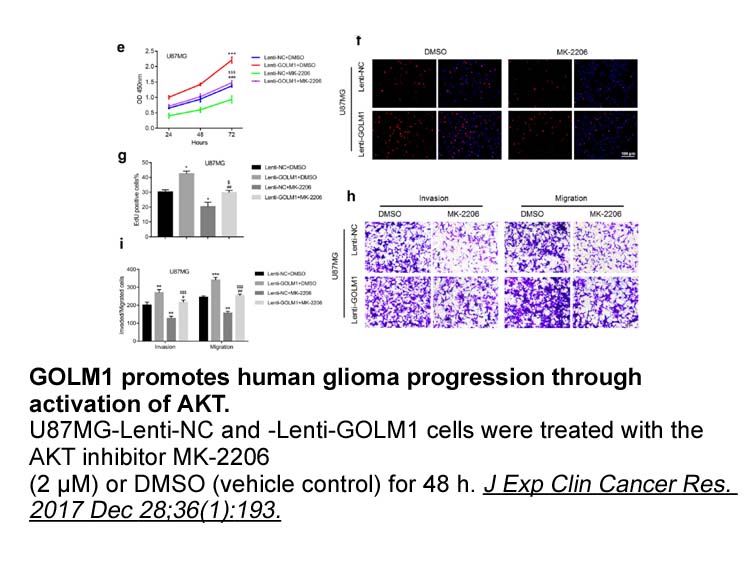
AMPK is a central regulator of cell growth, migration, metabolism, autophagy, and cell polarity [20], [21], [22], [23]. It is highly conserved in eukaryotes and functions as the primary sensor of intracellular adenosine nucleotides [24]. When intracellular ATP levels decrease, AMPK is activated to g
-
br Conclusion br Conflict of interest br
2023-04-11
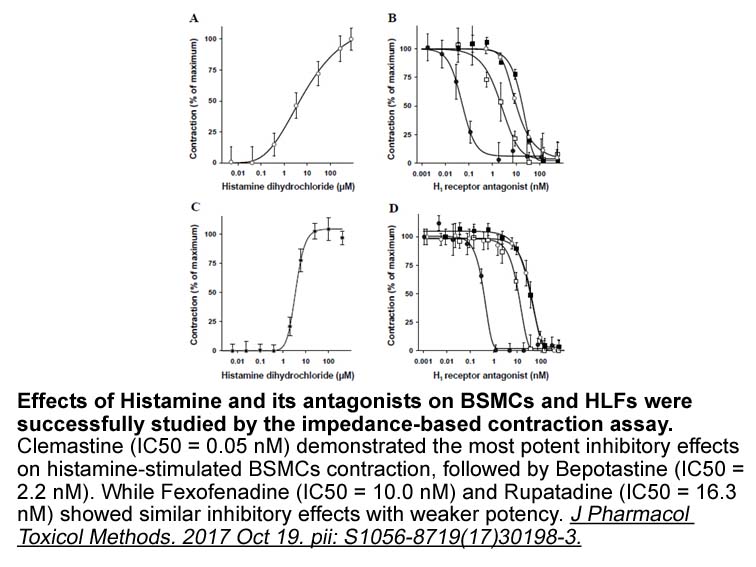
Conclusion Conflict of interest Acknowledgements Introduction Human salivary aldehyde dehydrogenase (hsALDH) (E.C. 1.2.1.5) is the first line of defence against toxic aldehydes in the oral cavity. HsALDH is primarily a dimeric, class 3 ALDH (ALDH3A1) specific for aromatic and long/medium
-
hydroxydopamine OHDA is a selective catecholaminergic
2023-04-11
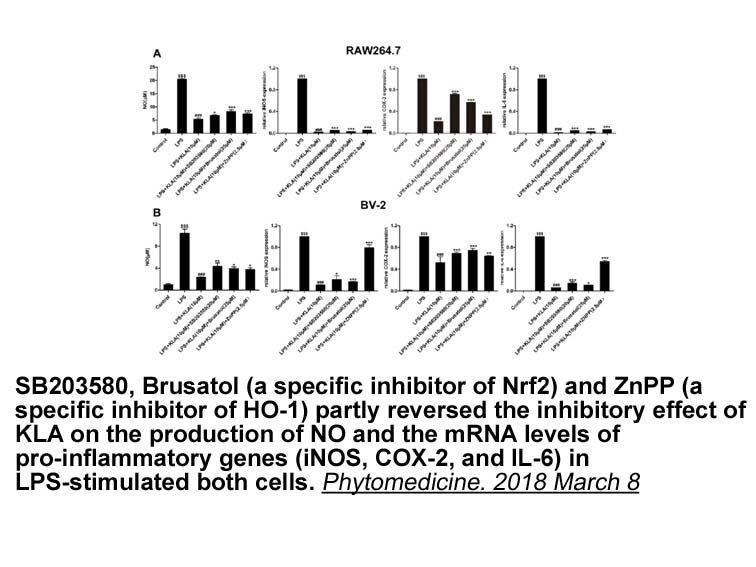
6-hydroxydopamine (6-OHDA) is a selective catecholaminergic neurotoxin mainly used to generate lesions in the nigrostriatal pathway in rats (Ungerstedt, 1968). The most common use of 6-OHDA is via unilateral injection into the rat medial forebrain bundle (MFB). DA depletion, nigral DA cell loss, and
8033 records 339/536 page Previous Next First page 上5页 336337338339340 下5页 Last page